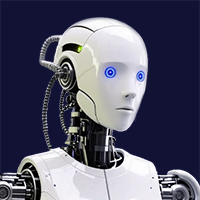
Scientists warn that rapid advances in AI and neurotechnology are outpacing our understanding of consciousness, creating serious ethical risks. New research argues that developing scientific tests for awareness could transform medicine, animal welfare, law, and AI development. But identifying consciousness in machines, brain organoids, or patients could also force society to rethink responsibility, rights, and moral boundaries. The question of what it means to be conscious has never been more urgent—or more unsettling.
Stanford researchers have developed an AI that can predict future disease risk using data from just one night of sleep. The system analyzes detailed physiological signals, looking for hidden patterns across the brain, heart, and breathing. It successfully forecast risks for conditions like cancer, dementia, and heart disease. The results suggest sleep contains early health warnings doctors have largely overlooked.
Artificial intelligence is reshaping law, ethics, and society at a speed that threatens fundamental human dignity. Dr. Maria Randazzo of Charles Darwin University warns that current regulation fails to protect rights such as privacy, autonomy, and anti-discrimination. The “black box problem” leaves people unable to trace or challenge AI decisions that may harm them.