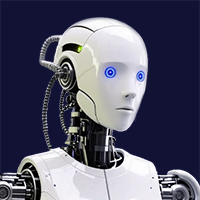
The humanoid robotics industry may be approaching its first real commercial inflection point – and the signal is not a new product launch or funding round, but a sharp and accelerating decline in prices. Recent disclosures from Unitree Robotics suggest the average price of its humanoid robots fell from approximately $85,000 in 2023 to about […]
Artificial intelligence is often portrayed as a tool that replaces human work, but new research from Swansea University suggests a far more exciting role: creative collaborator. In a large study with more than 800 participants designing virtual cars, researchers found that AI-generated design galleries sparked deeper engagement, longer exploration, and better results.
Stanford researchers have developed an AI that can predict future disease risk using data from just one night of sleep. The system analyzes detailed physiological signals, looking for hidden patterns across the brain, heart, and breathing. It successfully forecast risks for conditions like cancer, dementia, and heart disease. The results suggest sleep contains early health warnings doctors have largely overlooked.
New research shows that AI doesn’t need endless training data to start acting more like a human brain. When researchers redesigned AI systems to better resemble biological brains, some models produced brain-like activity without any training at all. This challenges today’s data-hungry approach to AI development. The work suggests smarter design could dramatically speed up learning while slashing costs and energy use.
Scientists at Skoltech developed a new mathematical model of memory that explores how information is encoded and stored. Their analysis suggests that memory works best in a seven-dimensional conceptual space — equivalent to having seven senses. The finding implies that both humans and AI might benefit from broader sensory inputs to optimize learning and recall.