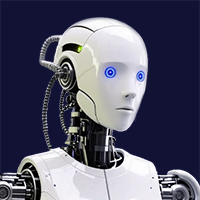
Humans pay enormous attention to lips during conversation, and robots have struggled badly to keep up. A new robot developed at Columbia Engineering learned realistic lip movements by watching its own reflection and studying human videos online. This allowed it to speak and sing with synchronized facial motion, without being explicitly programmed. Researchers believe this breakthrough could help robots finally cross the uncanny valley.
A philosopher at the University of Cambridge says there’s no reliable way to know whether AI is conscious—and that may remain true for the foreseeable future. According to Dr. Tom McClelland, consciousness alone isn’t the ethical tipping point anyway; sentience, the capacity to feel good or bad, is what truly matters. He argues that claims of conscious AI are often more marketing than science, and that believing in machine minds too easily could cause real harm. The safest stance for now, he says, is honest uncertainty.